
In this article, we cover why landscaping businesses should have case studies. Why they are important, what is required, and how to put them together. We also look at how they can help you win more landscaping projects and stand out from competitors.
What is a landscaping business case study?
It's an in-depth look at a landscaping project you've completed, covering the work involved, the challenges faced and the finished result.
Why do landscaping businesses need case studies?
From the client's point of view, there might be more than one decision-maker. They will review every proposal. Look at each landscaping company's website, testimonials, and any case studies provided.
Having case studies can set you apart from your competition because they show more than just what you offer. They give potential clients a closer look at how you work. You can provide in-depth details about the project, what problems you had to overcome, show the installation process and include testimonials, photos and videos of the finished work.
When might a potential landscaping client view case studies?
A cold lead who gets in touch with you, or finds you through a Google search, might want to see examples of similar projects you've completed. You could have them on your website, with a dedicated page showcasing your work.
Create a pitch deck, and have case studies within it that you can share via email.
Case studies are important for multiple factors.
You are showing examples of your previous work. Unlike a gallery, you are providing details around the installation you have done.
Whether you are working on a project that might range from $10k up to $500k, being able to demonstrate your experience can make a difference when a client is comparing quotes.
Are there any other names for case studies?
Yes, they can be referred to as 'our work', 'use-cases', and 'projects'.
What is the difference between a gallery and a case study?
A gallery is typically a selection of completed project work. Sometimes containing before-and-after photos. Whether that's on Instagram or a page on your website. There is usually very little information about the project itself, the challenges involved or how the work was carried out.
How do I physically create a case study?
There are multiple ways you can create a case study. Here are a few options below:
If you have a Gmail account, you can use Google Docs and create it there, where you can save it as a PDF and share it with businesses.
Canva - create a presentation where the case studies are collected together in slides. Then you would share the document via a link. This approach is interesting as some sharing options allow you to track engagement with your presentation. This can provide some information you wouldn't normally get when emailing a standard PDF.
Create a page, or multiple pages, to keep your case studies on the website.
Should I put pricing on my case study?
When you are quoting a project, having case studies to support your new project makes sense. When you have pricing, it can get in the way because customers might start comparing the cost of previous projects against their current quotation. It's best not to have pricing on the case study and instead focus on what was achieved with the outdoor living space.
The pricing of materials is always going up; if your landscaping business completed an install five to ten years ago, but it's still a standout project you want to showcase, the cost of the project then would be very different from today, and explaining that to a customer can be difficult.
What do I need for a case study?
3-20 high-quality photos that clearly show the installation. Before-and-after photos, and behind-the-scenes photos if it's relevant to the project.
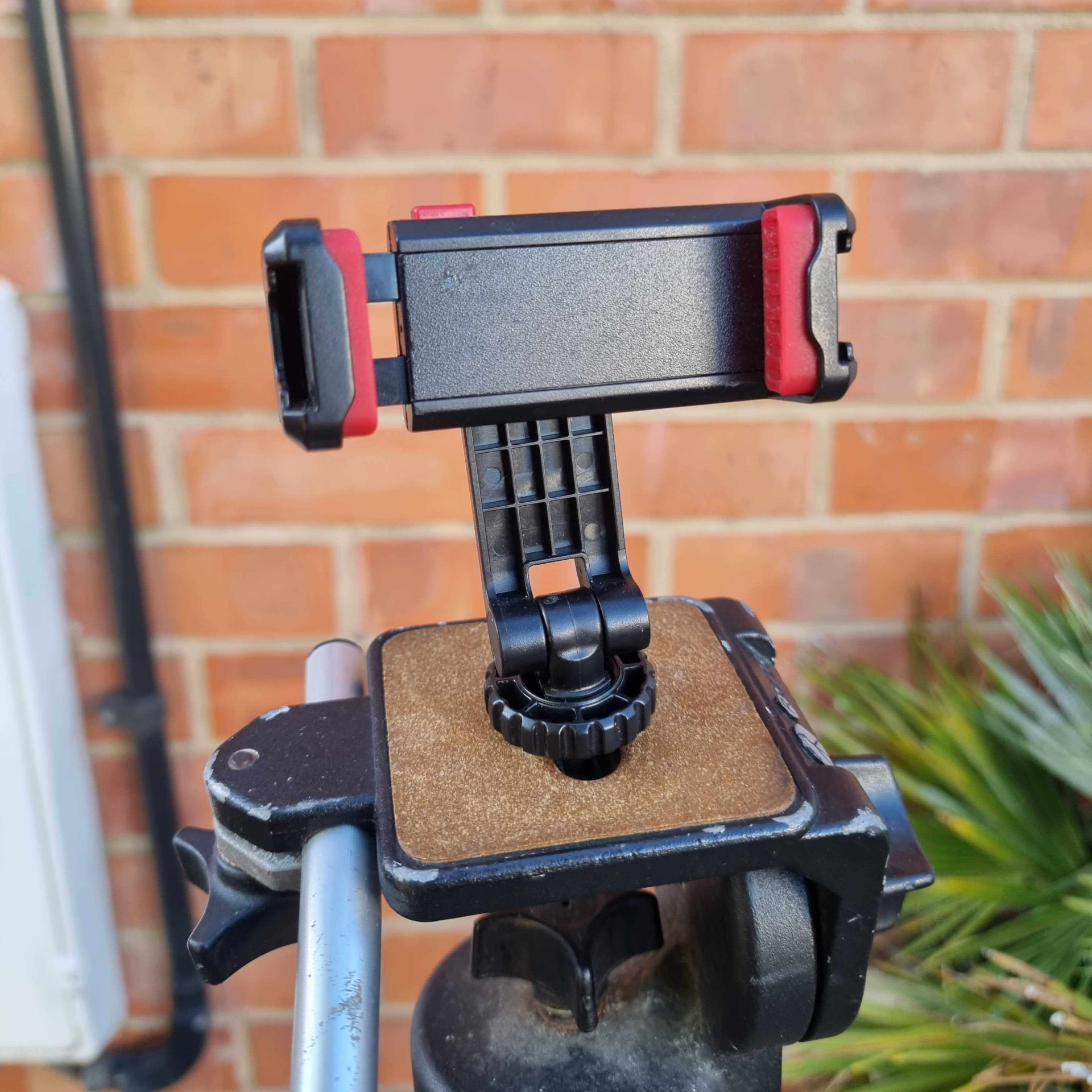
Nice to have: professional video walkthrough of the installation. Either taken on your phone in landscape orientation. Depending on the size of the project, consider using a drone to take the footage (make sure you are legally allowed to use a drone in the area beforehand).
What information should I write about when thinking about a case study?
- Project name and location
- What was the objective of the project/installation?
- What were the installation requirements?
- Were there any challenges during the project?
How many words should I write for my case study?
There isn't a fixed word count that's ideal for SEO. However, writing 1,500 words might not be realistic for every landscaping business. Depending on how comfortable you are with writing, as long as you hit the main points, you could cover a project in 200-500 words.
Once you've published a few and got into the habit of writing them, you can always go back and add more detail.
More articles to read
Marketing
What You Need to Create Content for Your Landscaping Business
Want to create better content for your landscaping business? Here are the simple tools and practical setup you need to get started.

Marketing
Why Isn't My Landscaping Website Getting Me More Jobs?
Your landscaping website should help win new work. Here are seven common reasons it may not be turning visitors into genuine customer enquiries.
Marketing
Website vs Social Media: Where Should Landscapers Focus First?
Not sure whether to build a website or focus on social media first? Here is how to sequence your landscaping business marketing for the best return.